AI for technology companies
AI enables technology companies to build scalable, intelligent products and automate complex engineering processes — from software development and DevOps to analytics, monitoring, and customer experience.
Software & product development
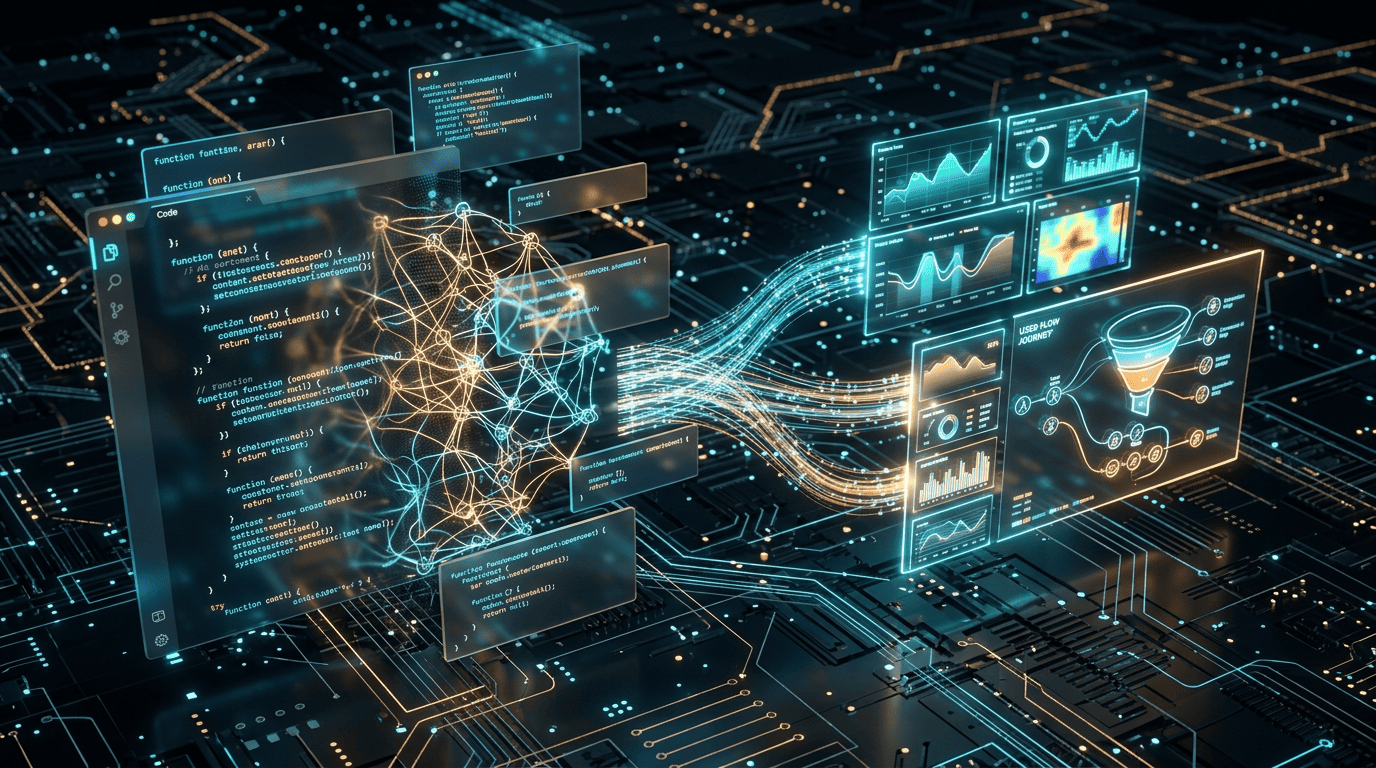
AI‑driven software development
AI assists developers in writing, reviewing, and optimizing code. Intelligent systems can detect bugs, suggest improvements, and automate testing processes, helping teams ship features faster with higher quality. Routine tasks like writing boilerplate, refactoring, and updating APIs become significantly lighter.
Engineering leaders get more predictable delivery timelines, while developers focus on architecture, design decisions, and complex features that differentiate the product instead of repetitive implementation work.
Product analytics & user behavior insights
AI analyzes large volumes of user interaction data to understand how customers use software products and identify areas for improvement — from onboarding flows to feature adoption and churn risk. It uncovers hidden patterns in clicks, sessions, and journeys that simple dashboards miss.
Product teams gain a clearer understanding of which features drive retention, which segments are at risk, and where UX friction costs revenue, enabling more confident roadmap and experiment decisions.
DevOps & infrastructure
Automated DevOps & infrastructure management
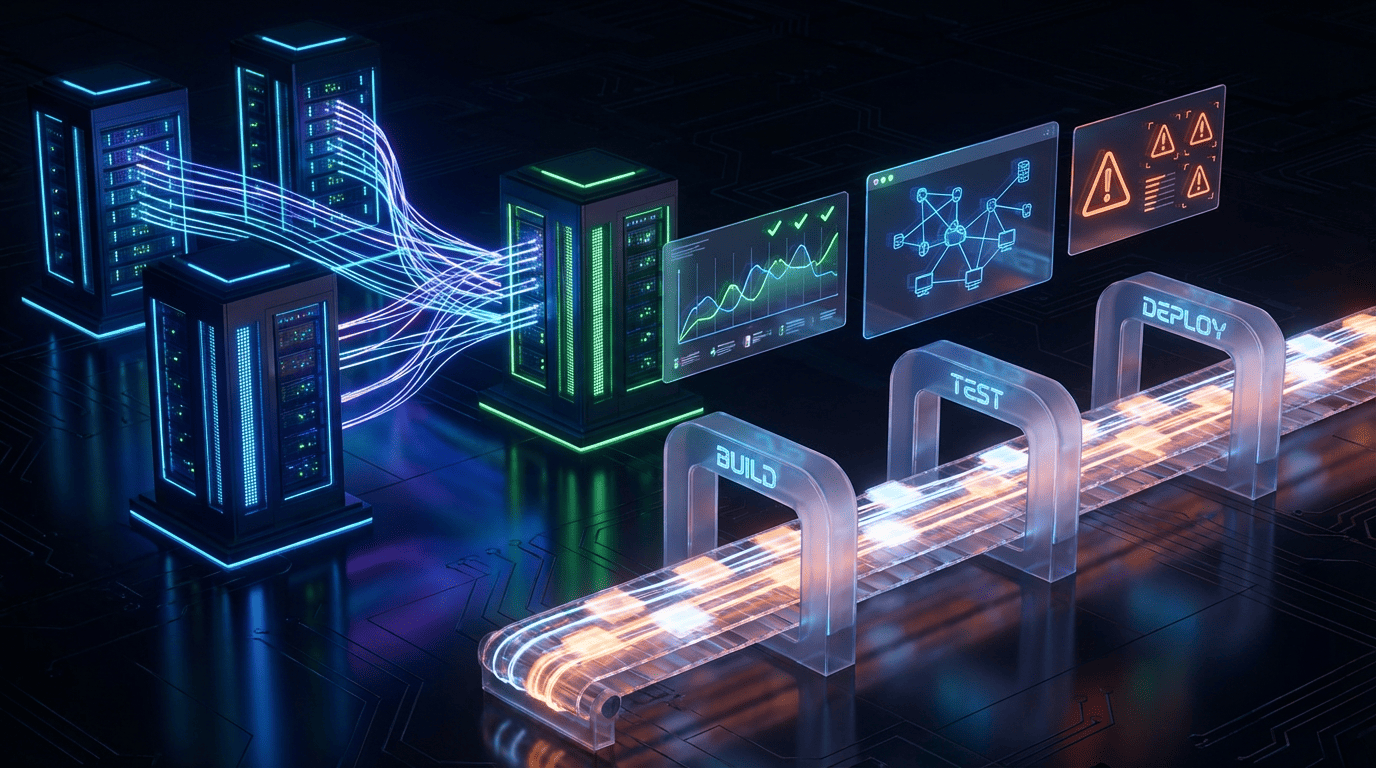
Machine learning models predict system failures, optimize cloud resource allocation, and automate deployment pipelines. This reduces manual work for DevOps teams and increases system reliability by making infrastructure more self‑aware and adaptive.
Capacity planning, scaling policies, and rollback decisions become driven by real usage and risk signals rather than guesswork, keeping performance stable while avoiding over‑provisioning.
Predictive system monitoring
AI analyzes system logs, traces, and infrastructure metrics to detect anomalies and prevent outages before they occur, enabling proactive incident response instead of reactive firefighting. Models learn the normal behavior of services and flag subtle deviations long before traditional alerts would trigger.
SRE and platform teams get prioritized alerts and suggested root causes, shortening time‑to‑detect and time‑to‑resolve, and freeing time to focus on long‑term reliability improvements.
Platforms & customer experience
Natural Language Processing platforms
AI enables the creation of chatbots, knowledge assistants, and automated support systems that answer questions, resolve issues, and guide users in real time. These systems sit on top of product documentation, logs, and historical tickets, turning scattered knowledge into an always‑on support layer.
Customers get faster, more consistent answers, while support teams focus on edge cases and high‑value conversations instead of repetitive “how do I…” queries.
AI‑powered recommendation systems
Technology companies use machine learning to recommend content, products, or services based on user behavior. Recommendations can be embedded directly in products — surfacing relevant features, templates, or add‑ons at the right moment — as well as in marketing channels.
This increases engagement, conversion, and lifetime value across apps and platforms, while also revealing which parts of the product resonate most with different segments.
Ready to explore AI for technology & software?
Share how your teams build, ship, and operate products — we will help you identify where AI can bring the most impact across engineering, operations, and customer experience.
Talk to our team