AI for Media, Marketing, Advertising, Video & Music
We help advertising agencies, media groups, content studios, TV networks, production teams, and music creators use AI to move faster, understand audiences better, and turn creative ideas into measurable business outcomes.
From predicting trends and optimizing campaigns to automating post‑production and generating new content, AI is becoming a core part of how modern media and marketing teams work.
For advertising agencies & media groups
Campaign effectiveness & creative performance
AI is used for in‑depth analysis of advertising campaign effectiveness. Algorithms process large volumes of data on user interactions with ads, helping you understand which creatives attract the most attention, how long people stay engaged, and where they drop off in the funnel. Instead of guessing which message works, your teams get continuous feedback directly from real behavior.
This enables more confident decisions about which ideas to scale, which formats to cut, and how to adapt creative for different channels and audiences. Media budgets stop being “test & hope” and start working as a disciplined experimentation engine.
Predicting market trends
AI helps analyze consumer preferences and market conditions to predict future trends. Machine learning models scan search queries, social media, content consumption, and purchase data to detect early signals of what people will care about next — not just what is already popular. This lets you prepare campaigns, content, and partnerships ahead of competitors.
By combining macro indicators with your own first‑party data, you can see which segments are likely to grow, which categories are saturating, and where white‑space opportunities are emerging. Creative and strategy teams get a clearer brief, grounded in real‑time audience insight rather than static reports.
From insight to ROI
With AI, segmentation and targeting move from broad demographic buckets to behavior‑based micro‑audiences. Models group users by needs, intent, and content affinity, then help you orchestrate messaging across TV, digital, social, and outdoor. Campaign performance is measured not just by clicks or views, but by downstream impact on sales, brand lift, and retention.
For agencies and media groups, this means more transparent reporting to clients, clearer attribution of results, and the ability to continuously optimize media plans rather than wait for post‑campaign reports.

AI across the content lifecycle
From idea to finished assets
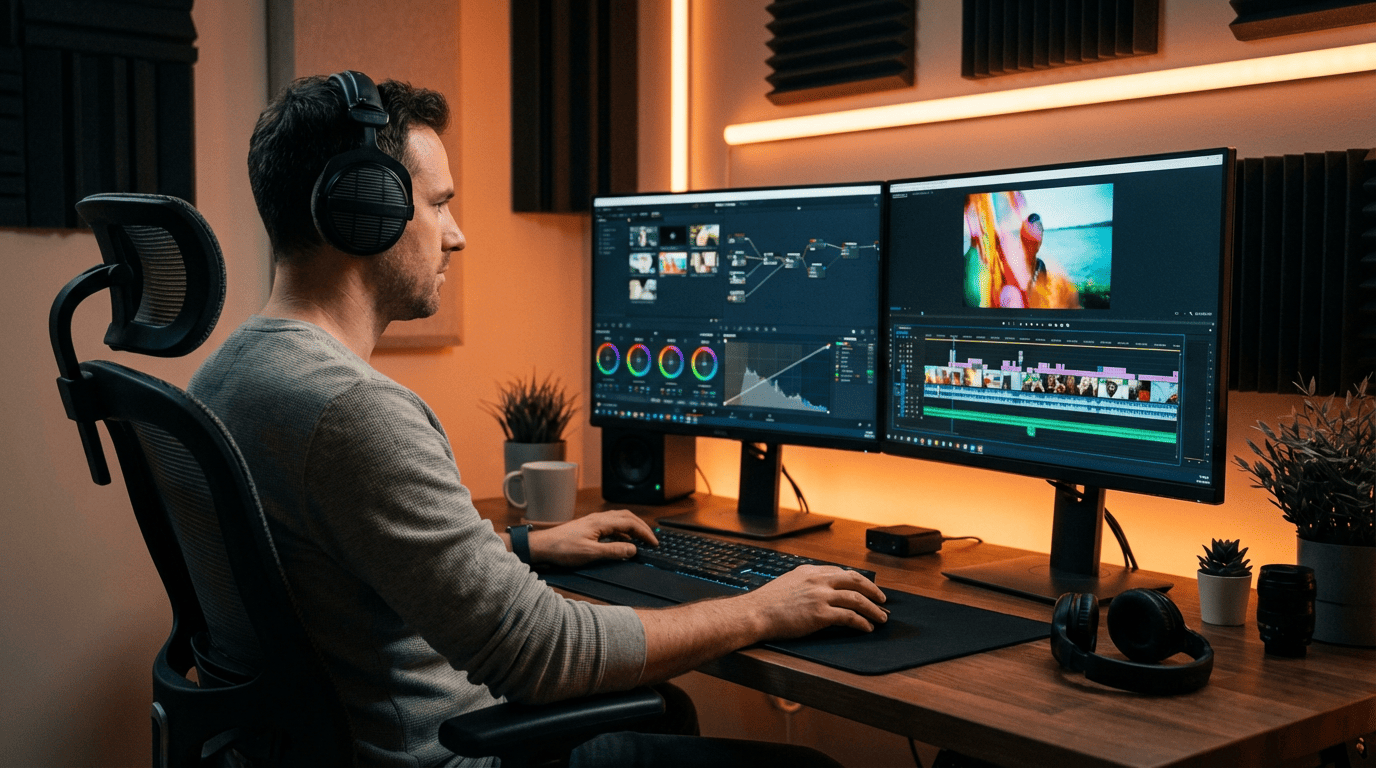
Content creation agencies
AI can automate video processing, including editing and color correction. AI‑powered tools can highlight key moments in videos, auto‑generate rough cuts, and suggest editing options that match a desired tone or format. Creative teams can then refine and elevate the story, instead of spending hours on repetitive timeline work.
The same tools can generate variations for different channels, aspect ratios, and markets, so a single idea can be repurposed more efficiently across campaigns. This increases throughput without compromising brand consistency.
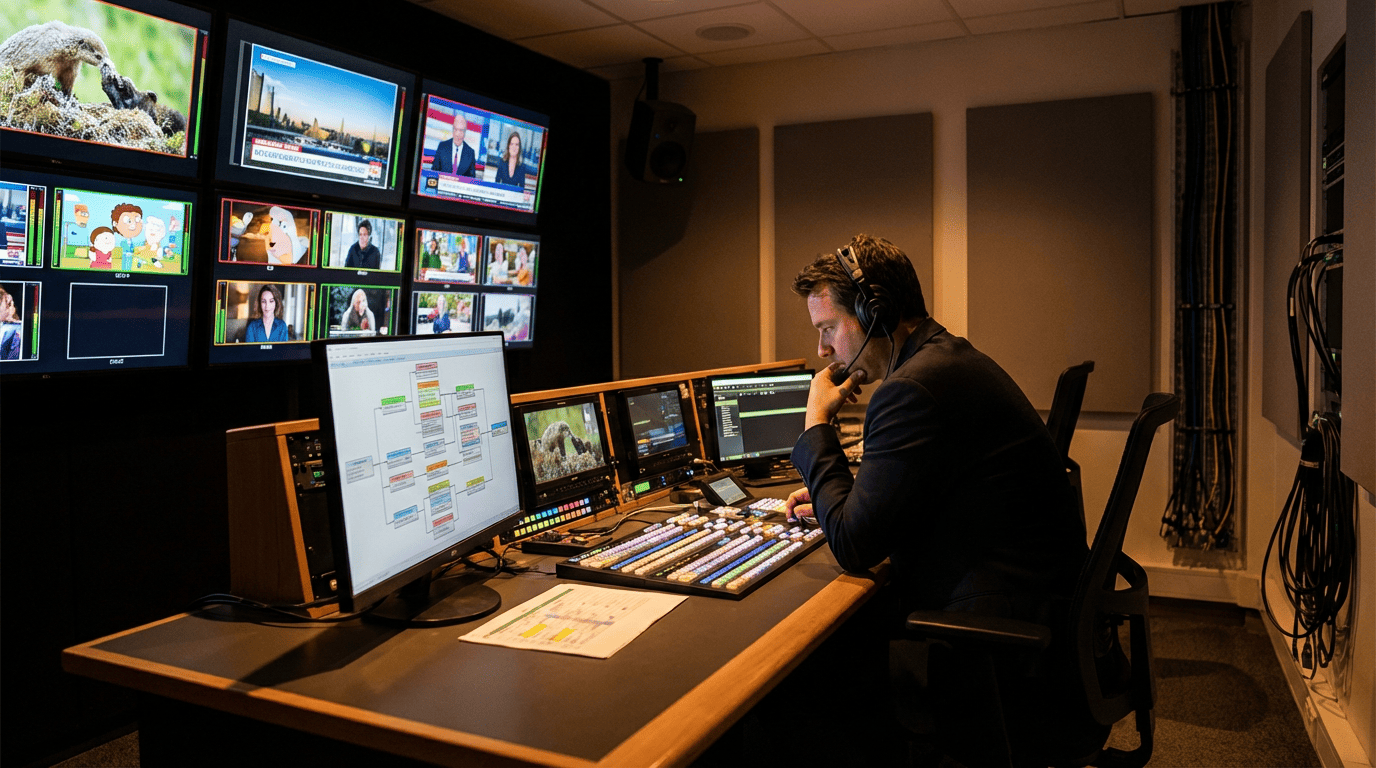
Television & streaming
For TV and streaming, AI helps automate script ideation and content planning by analyzing popular stories, formats, and topics. It can suggest episode structures, character arcs, and content slates that align with what specific audience cohorts actually watch and rewatch.
Schedulers and commissioning teams get data‑backed guidance on which pilots to back, how to position new shows, and how to build line‑ups that balance safe bets with experimental formats.
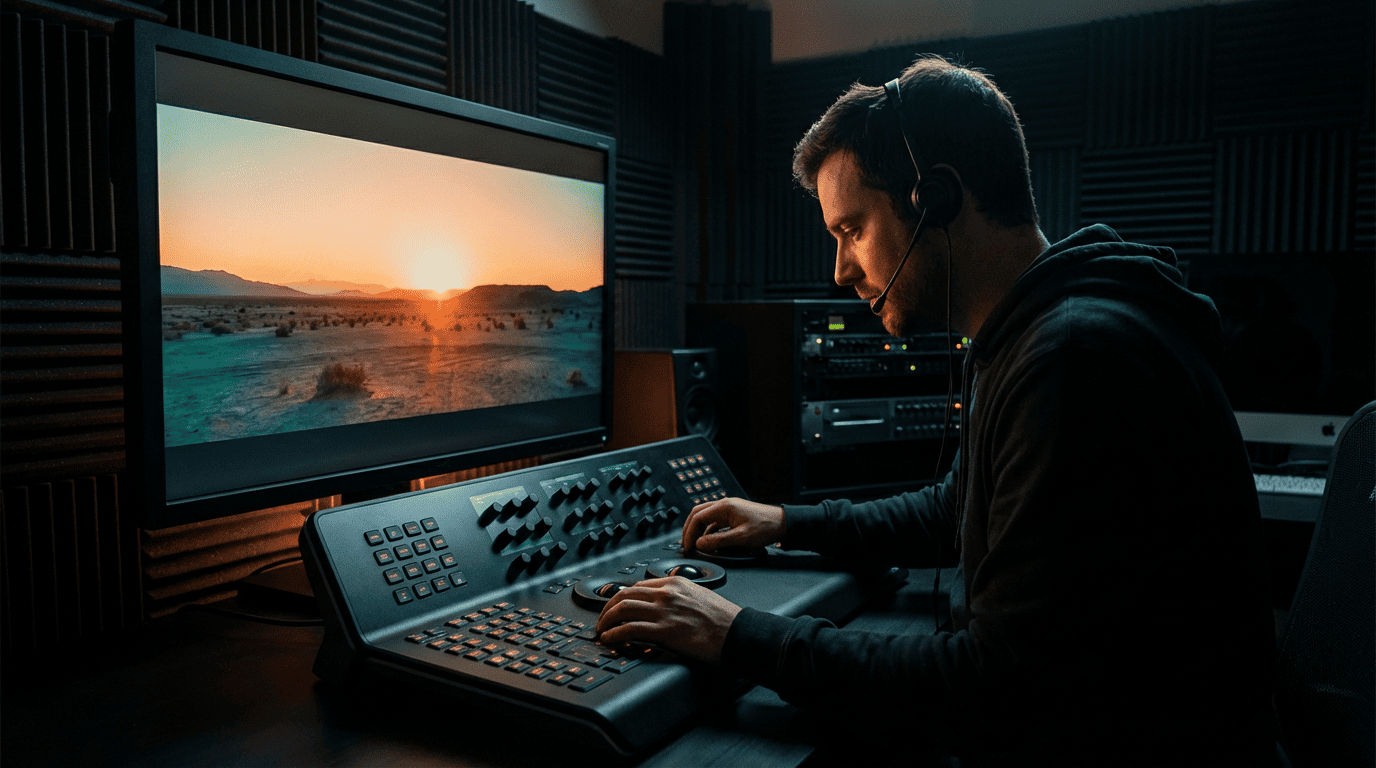
Video production & post‑production
AI technologies support post‑production workflows: from automatic background generation and smart upscaling to adding effects based on the genre and mood of the video. Models can detect scenes, classify shots, and propose color grades and transitions that match reference looks.
This means editors spend more time on narrative and pacing and less on manual organization. Teams get higher throughput with consistent quality across projects and can deliver more variations for testing and localization.
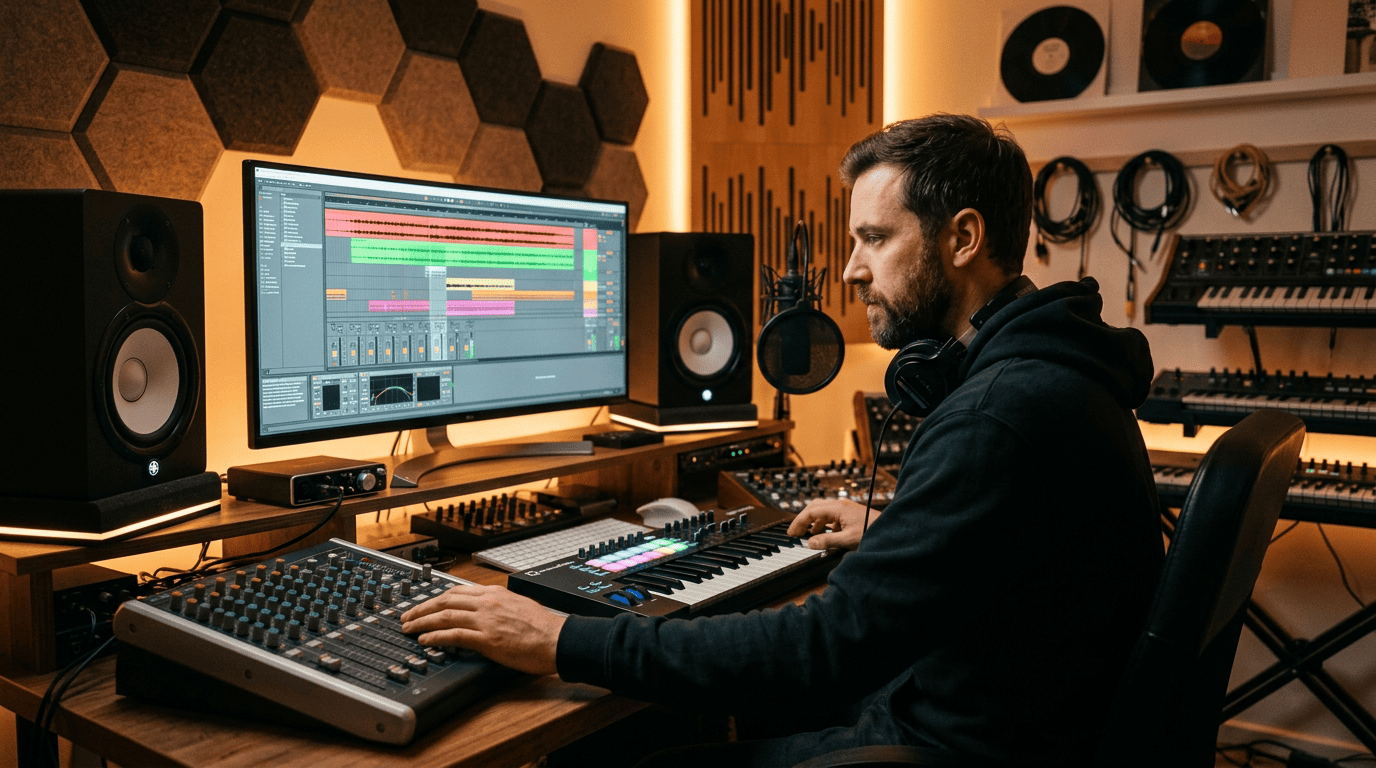
Music production
Neural networks for music generation open up new ways to create original tracks, stems, and soundscapes. Composers and producers can experiment faster with melodies, harmonies, and textures, then choose and refine the best ideas instead of starting from a blank page every time.
For brands and media companies, this leads to faster delivery of custom scores and sound logos that still feel unique and on‑brand, while respecting licensing and usage constraints.
Ready to explore AI for media & marketing?
Share your current projects, formats, and challenges — we will help you identify where AI can add the most value without compromising creativity, brand safety, or compliance.
Talk to our team