AI for Cybersecurity
AI strengthens cybersecurity by detecting threats faster and automating incident response — across networks, endpoints, cloud infrastructure, and applications.
Detection & response
Threat detection & anomaly monitoring
AI analyzes network traffic patterns and system activity to identify suspicious behavior in real time, helping security teams detect attacks faster than with rule‑based tools alone. Models learn what “normal” looks like for each system and environment, then continuously compare current behavior against that baseline.
Instead of relying only on static rules and signatures, you get dynamic detection that adapts as infrastructure and usage patterns change — reducing dwell time for attackers and surfacing subtle signals that would be invisible in dashboards.
Automated incident response
Machine learning systems can automatically isolate infected systems, block malicious connections, and stop malicious activity before it spreads across the organization. Response playbooks become partly automated, allowing security teams to contain threats in minutes rather than hours.
Analysts stay in control of policies and approvals, but repetitive containment and triage steps are handled by AI, which reduces alert fatigue and ensures consistent execution of best‑practice responses.

Email, endpoints & users
Phishing & malware detection
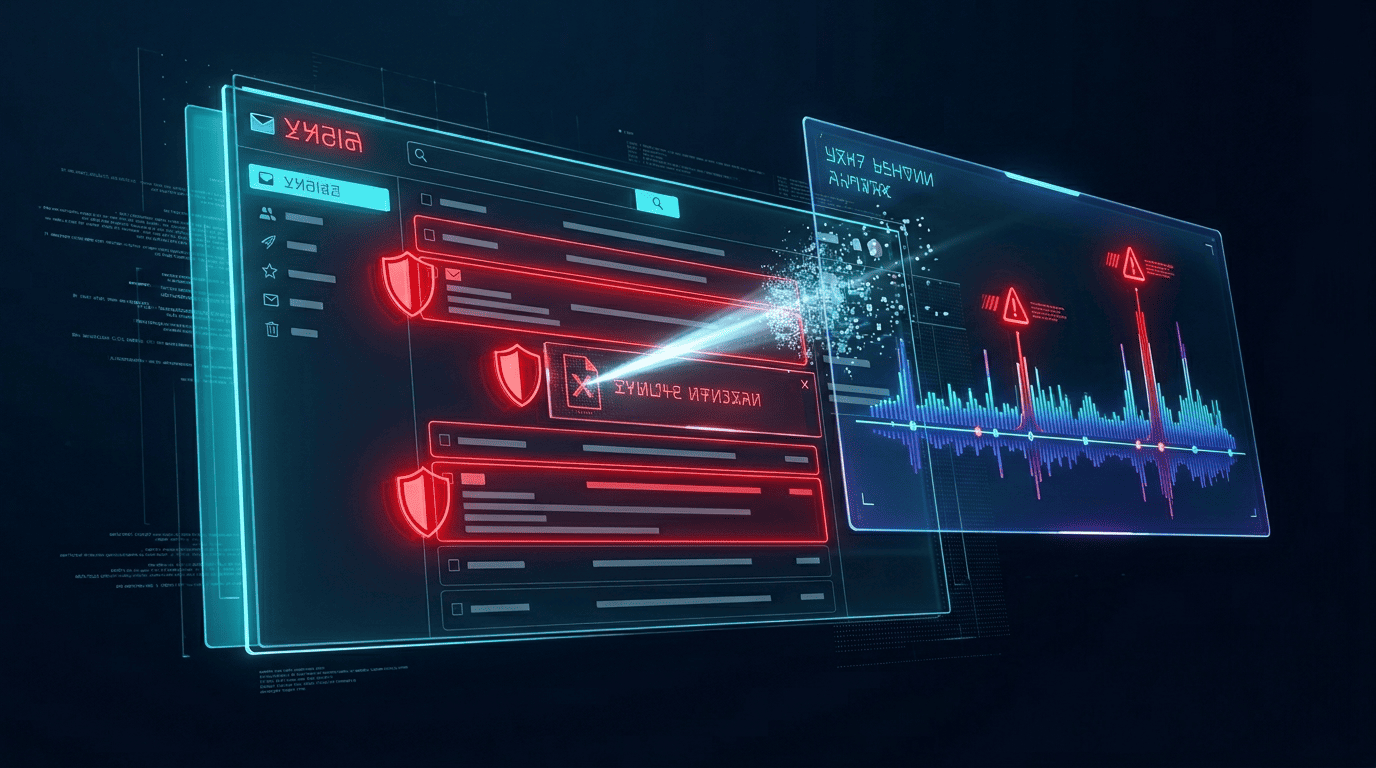
AI models analyze email content, URLs, and attachments to detect phishing attempts and malicious software, reducing the number of successful attacks on employees and customers. By learning from both known attacks and everyday traffic, these systems can spot suspicious combinations of sender, language, links, and payloads.
This adds an adaptive layer of protection on top of traditional gateways, catching targeted spear‑phishing, business email compromise, and new malware variants before users interact with them.
User behavior analytics (UBA)
AI systems monitor user activity to detect abnormal behavior such as unauthorized data access, credential misuse, or privilege escalation, helping identify insider threats and compromised accounts. Models compare each action against a user’s typical behavior and the norms of similar peers.
Security teams are alerted when risk accumulates — for example, unusual logins, mass downloads, or attempts to access sensitive resources — enabling earlier intervention before significant damage occurs.
Risk & threat intelligence
Security vulnerability analysis
AI scans applications and infrastructure to identify security weaknesses before attackers exploit them, helping teams prioritize fixes based on real‑world risk. Instead of static lists of vulnerabilities, you get a dynamic view that considers exploitability, asset criticality, and exposure.
This makes patch and remediation programs more focused, reducing backlog and ensuring that the most dangerous gaps are closed first.
Predictive threat intelligence
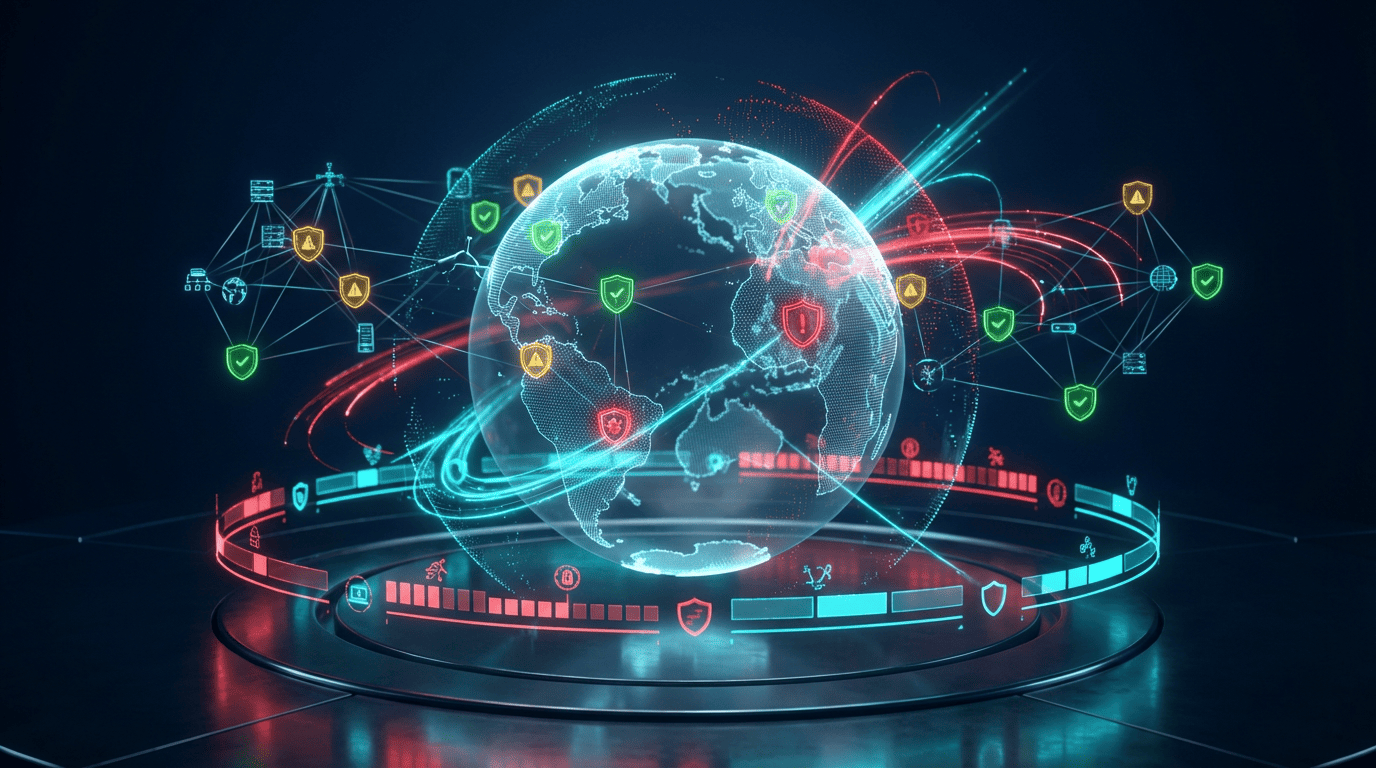
AI analyzes global cyber threat data to forecast emerging attack patterns and prepare defenses in advance, improving readiness against new malware families and attack campaigns. It can correlate indicators of compromise, tooling, and infrastructure across different incidents to reveal evolving adversary tactics.
SOC and threat intel teams gain earlier warning about campaigns likely to target their sector or geography, so they can tune detection rules, harden key systems, and rehearse response plans before attacks hit.
Ready to explore AI for cybersecurity?
Tell us about your threat landscape, stack, and team — we will help you understand where AI can strengthen detection, response, and resilience without adding complexity.
Talk to our team