AI for Logistics
We work with transportation companies, logistics software vendors, warehouses, and eCommerce platforms to optimize their performance with custom AI solutions.
Smarter logistics starts with AI automation. From planning to paperwork – check out how AI keeps your operations moving faster and smoother.
Route & network optimization
Build smarter routes and plans that adapt to traffic, weather, time windows, and capacity constraints — not just fixed spreadsheets.
Warehouses & inventory
Forecast demand, right‑size stock, and keep the right products in the right hubs with less working capital and fewer stockouts.
Clients, partners & paperwork
Use AI assistants to keep customers informed, answer questions, and automate document flows around every shipment.
Network & route optimization
Route optimization
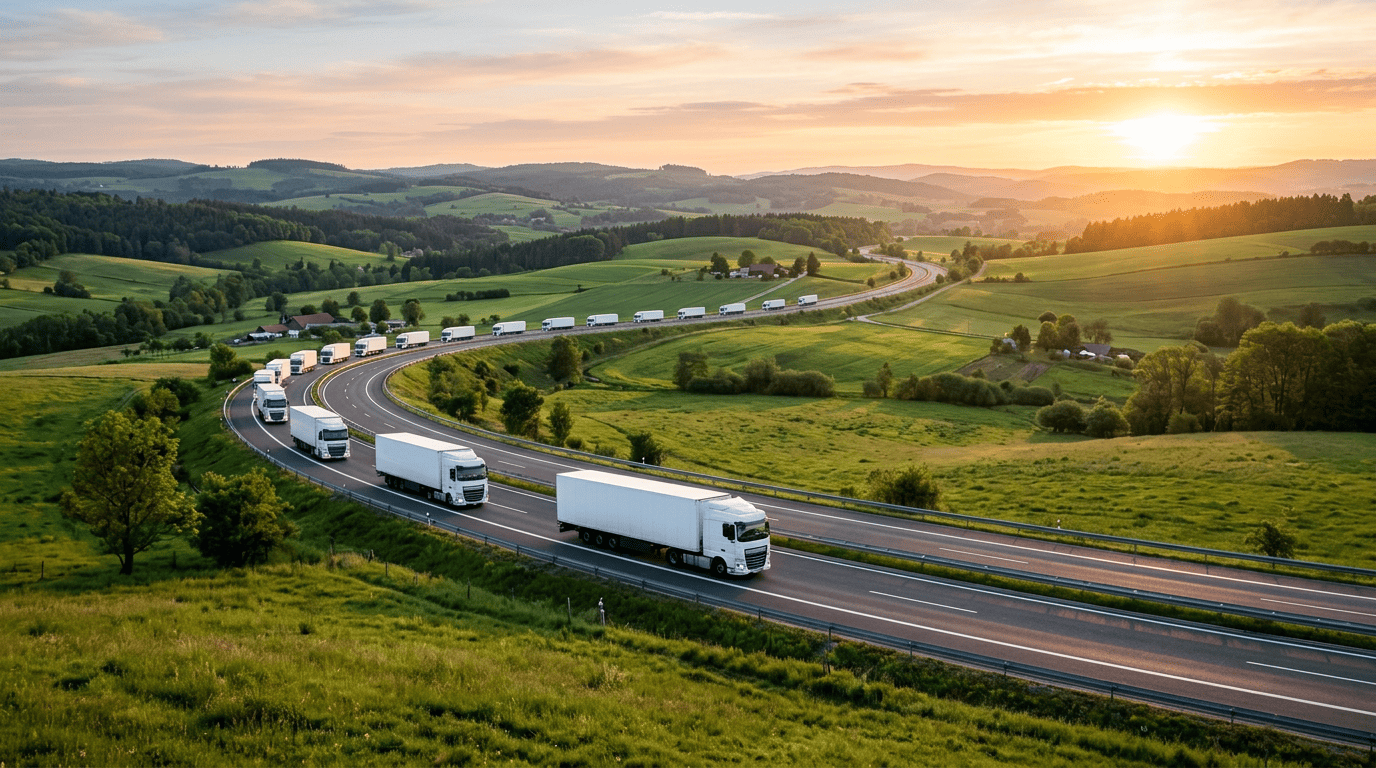
AI determines the most efficient delivery routes, taking into account traffic, weather conditions, time windows, and vehicle constraints. It automatically calculates optimal sequences of stops, predicts route delays, and helps plan loading and unloading of goods in warehouses and hubs.
This reduces fuel consumption and driving time, increases on‑time delivery rates, and gives dispatchers a dynamic view of operations instead of static plans. As conditions change during the day, AI can re‑optimize routes on the fly, suggesting safe, cost‑effective adjustments that keep SLAs under control.
For multi‑drop, multi‑hub networks, models can consider constraints such as driver hours, vehicle types, delivery priorities, and customer slots — solving routing problems that are too complex for manual tools.
Warehouses & inventory
Inventory & warehouse management
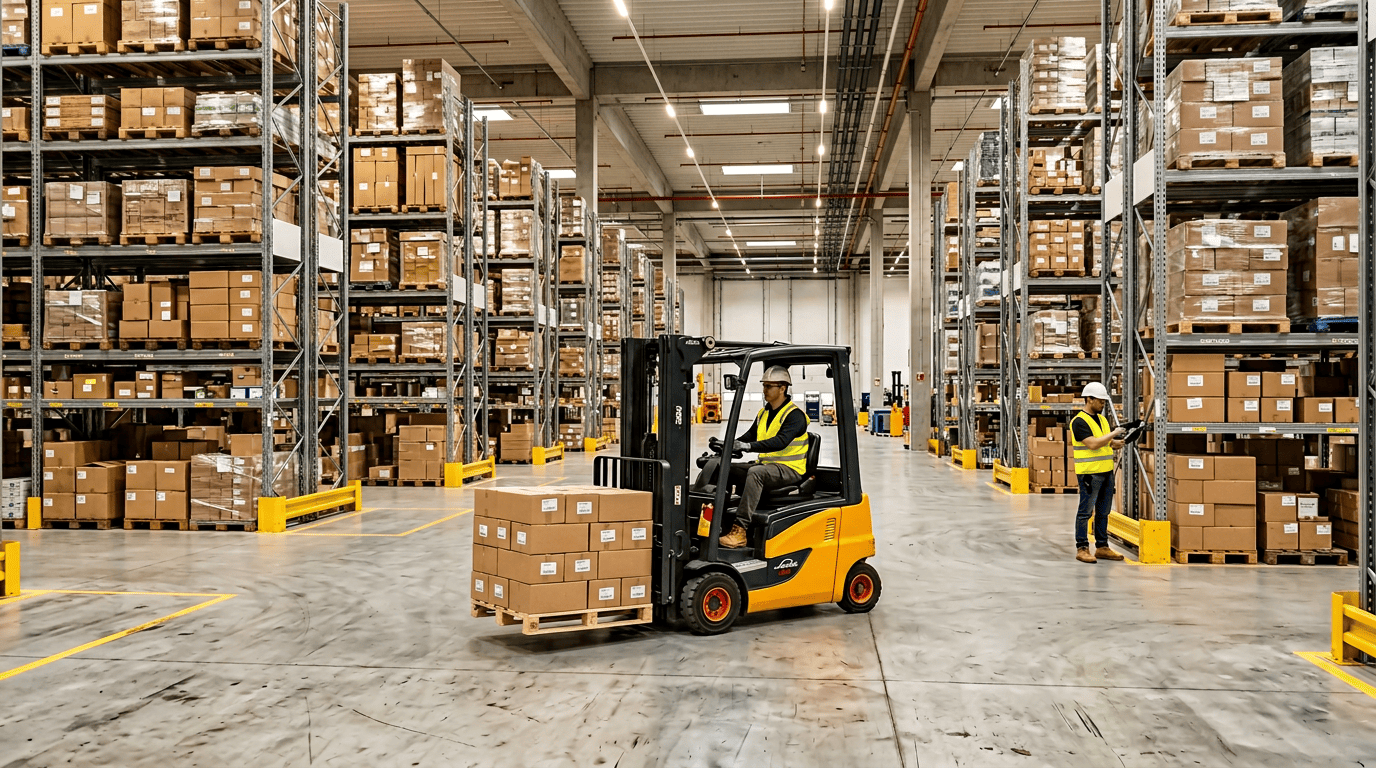
AI optimizes warehouse inventory management, minimizing costs and improving customer service. It forecasts product demand based on historical data, seasonal patterns, and promotions, then recommends replenishment quantities by location and channel.
Combined with slotting and picking optimization, this leads to fewer stockouts, faster fulfillment, and more efficient use of warehouse space and labor. Slow‑moving and dead stock are surfaced early so planners can take corrective action — reallocation, discounting, or assortment changes.
For 3PLs and fulfillment partners, these capabilities turn warehousing from a cost center into a data‑driven, value‑adding service they can offer to brand and eCommerce clients.
Clients, partners & paperwork
Chatbots for clients & partners
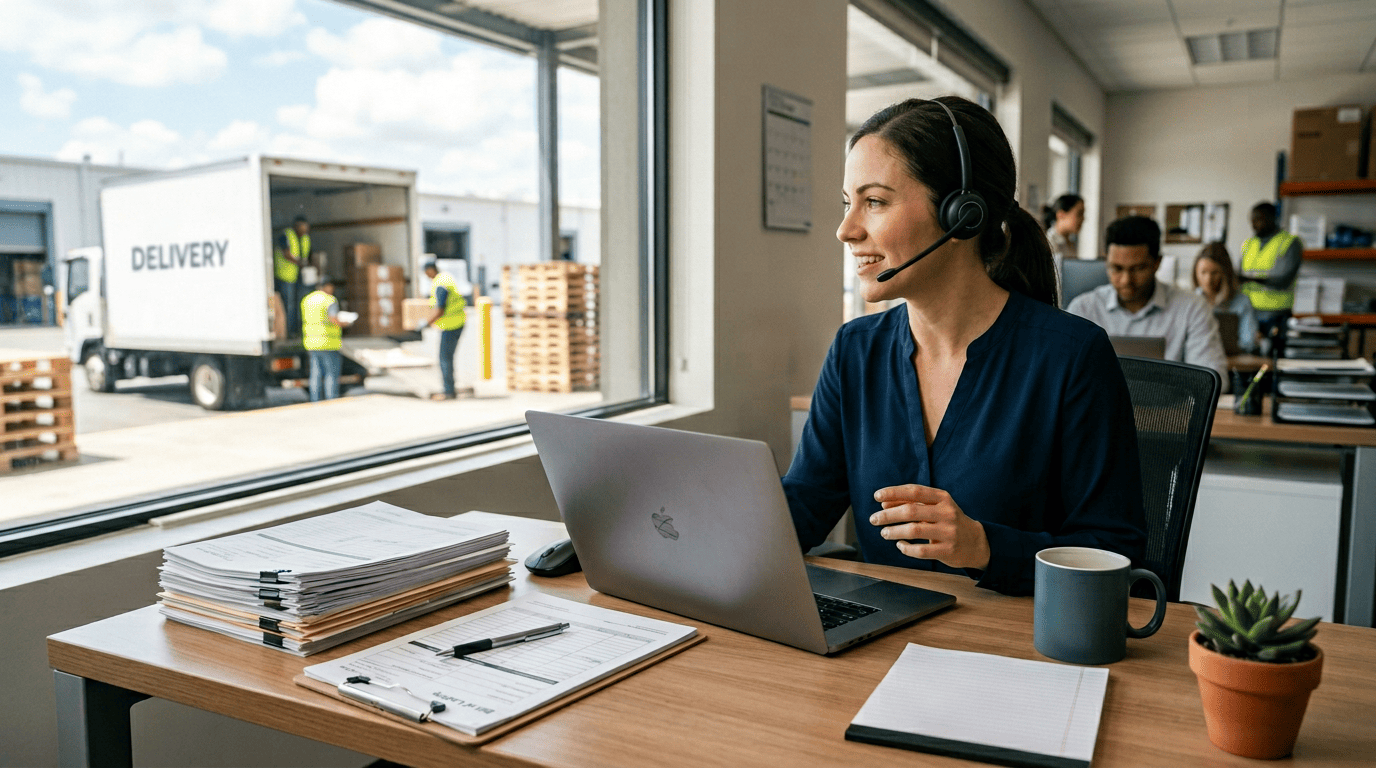
Virtual assistants answer client questions, help choose the right service, and provide advice on shipment status, documentation, and delivery options. They can also support internal users, such as drivers and depot staff, by providing quick answers about routes, instructions, and procedures.
This reduces time spent on phone calls and emails, while giving customers and partners a more responsive, self‑service‑friendly experience that feels modern and professional.
Documents, billing & exceptions
AI can read and structure information from transport documents, invoices, and customer emails, automatically routing them to the right systems and teams. Delivery exceptions, claims, and disputes are classified and prioritized so that your team deals first with the most time‑critical issues.
As a result, you spend less time on manual data entry and back‑office coordination — and more time on managing relationships with shippers, consignees, and partners.
Ready to explore AI for logistics?
Share your operations and goals — we'll help you identify where AI can add the most value.
Talk to our team